
Dental Implants in Patna: Understanding Tooth Replacement Options and the Treatment Process
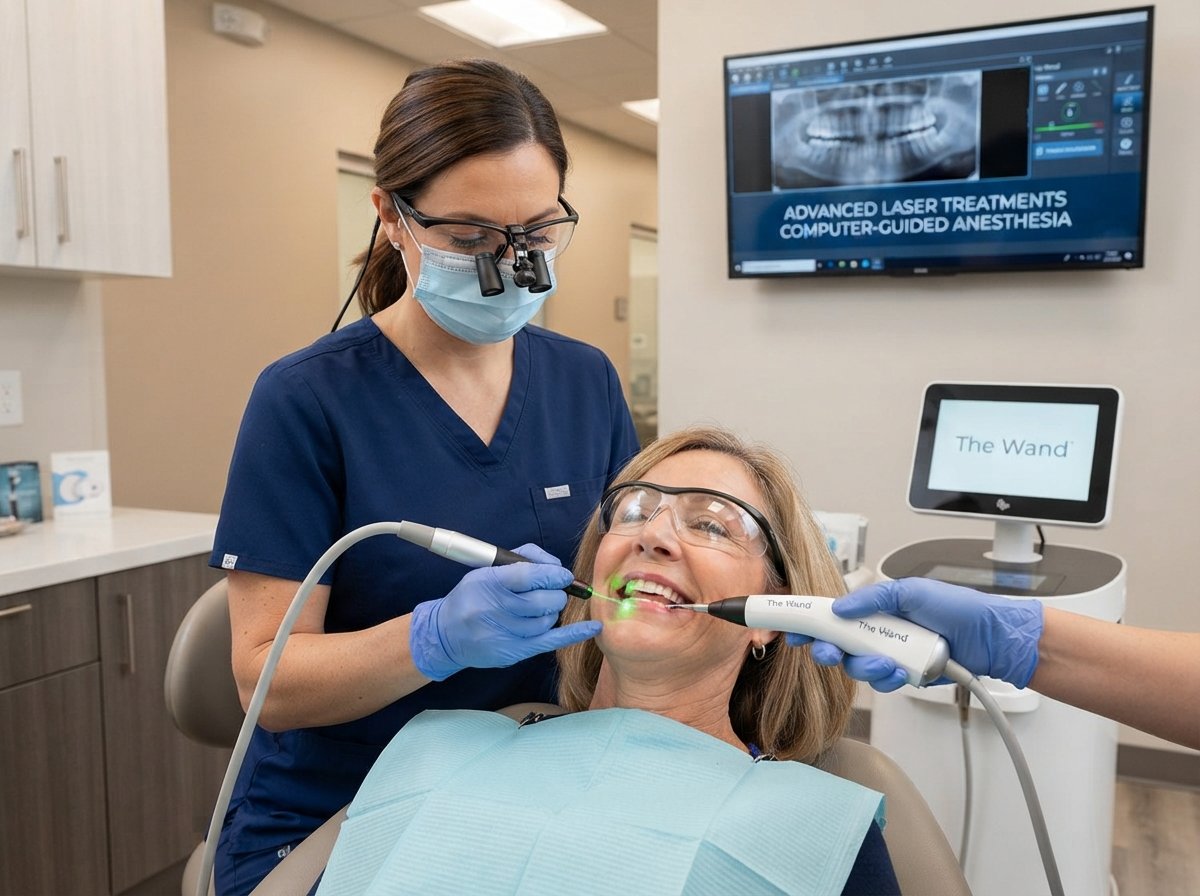
Missing teeth can affect more than just the appearance of your smile. Depending on the location and number of missing teeth, tooth loss can also affect chewing, speech and the way surrounding teeth function.
Dental implants are one of the options available for replacing missing teeth. If you are considering Dental Implants in Patna, understanding how implants work, who may be suitable for treatment and what the treatment process involves can help you discuss your options with a qualified dental professional.
What Are Dental Implants?
A dental implant is a small artificial tooth root, usually made from a biocompatible material such as titanium, that is placed into the jawbone to support a dental restoration.
Once the implant has integrated with the surrounding bone and the treatment is ready for restoration, it can support a crown, bridge or other implant-supported dental prosthesis, depending on the patient's needs.
A professional Dental Implant Clinic in Patna can evaluate your oral health and determine whether dental implants are an appropriate option for replacing your missing teeth.
Why Do People Choose Dental Implants?
There are several reasons patients may consider implants when replacing missing teeth. The appropriate tooth replacement option depends on factors such as the number of missing teeth, bone condition, oral health, budget and personal preferences.
Potential advantages of implant-supported tooth replacement can include:
- Replacement of missing teeth with a fixed restoration in suitable cases
- Support for natural-looking dental restorations
- Restoration of chewing function
- Replacement of individual missing teeth without relying on removable dentures
- Support for certain implant-supported bridges or full-arch restorations
- Helping maintain jawbone stimulation at the implant site
The benefits and suitability of dental implants vary from patient to patient, so a professional evaluation is important before treatment.
Who May Need Dental Implants?
Dental implants may be considered for patients who have lost one or more teeth due to tooth decay, gum disease, trauma or other dental conditions.
Depending on the patient's situation, implants may be used for:
- Replacement of a single missing tooth
- Replacement of multiple missing teeth
- Implant-supported bridges
- Implant-supported dentures
- Certain full-arch tooth replacement solutions
Not every patient is automatically a candidate for implants. A dentist or implant specialist needs to evaluate the condition of the gums, available bone, remaining teeth and general oral health before recommending treatment.
Dental Implant vs. Other Tooth Replacement Options
Dental implants are not the only way to replace missing teeth. Depending on the case, patients may also consider dental bridges or removable dentures.
Dental Implants
Implants are placed into the jawbone and can support a fixed dental restoration. They can be used to replace individual teeth or support larger restorations in suitable cases.
Dental Bridges
A dental bridge replaces a missing tooth or teeth by using neighbouring teeth or other suitable structures for support. The design and suitability depend on the patient's oral condition.
Removable Dentures
Dentures are removable appliances used to replace some or all missing teeth. They may be an appropriate option for certain patients depending on their needs and preferences.
A consultation at a reputable Dental Implant Clinic in Patna can help you understand the advantages, limitations and expected maintenance requirements of the available tooth replacement options.
The Dental Implant Treatment Process
Dental implant treatment usually involves several stages. The exact process and timeline vary depending on the patient's oral health, bone condition, number of implants and type of final restoration.
Step 1: Initial Consultation
The first step is a detailed dental examination. The dentist reviews your medical and dental history, examines the mouth and discusses your concerns and treatment goals.
Step 2: Diagnostic Evaluation
Dental imaging and other diagnostic procedures may be recommended to evaluate the jawbone, surrounding structures and the proposed implant site.
Step 3: Treatment Planning
Based on the examination and diagnostic findings, the dental professional develops an individual treatment plan. This may include deciding the number and position of implants and the type of restoration required.
Step 4: Implant Placement
During the implant placement procedure, the implant is positioned within the jawbone. Local anaesthesia or another appropriate form of anaesthesia may be used depending on the procedure and patient's needs.
Step 5: Healing and Osseointegration
After placement, the implant needs time to integrate with the surrounding bone. This biological process is commonly referred to as osseointegration.
Step 6: Abutment and Restoration
Once the implant has healed sufficiently, the dentist can proceed with the next stage of restoration. An abutment may connect the implant to the final dental crown, bridge or other prosthetic restoration.
Step 7: Follow-Up and Maintenance
Regular dental visits are important after implant treatment. Your dentist will monitor the implant, surrounding gums and restoration and provide guidance about long-term oral hygiene.
How Long Does Dental Implant Treatment Take?
Dental implant treatment does not have the same timeline for every patient. Some cases can be relatively straightforward, while others require additional procedures or a longer healing period.
The overall timeline can depend on:
- The number of missing teeth
- The condition and volume of the jawbone
- The health of the gums
- Whether additional procedures are required
- The type of implant restoration
- The patient's individual healing response
Your dentist can provide a more personalised treatment timeline after completing the necessary examination and diagnostic evaluation.
What If There Is Not Enough Bone for an Implant?
Adequate bone volume is an important consideration when planning dental implants. Some patients may have experienced bone loss after a tooth has been missing for a long period or because of other dental conditions.
Depending on the specific situation, additional procedures such as bone augmentation may sometimes be considered before or during implant treatment.
Whether additional treatment is required can only be determined after a proper clinical and diagnostic assessment.
Is Dental Implant Surgery Painful?
Patient comfort is an important part of implant treatment. Local anaesthesia is generally used during implant placement to numb the treatment area.
Some swelling, tenderness or discomfort may occur after the procedure as the area heals. Your dental professional will provide specific post-operative instructions based on your procedure.
If you experience severe or persistent pain, significant swelling, bleeding or other unexpected symptoms after treatment, contact your dentist promptly.
How to Choose a Dental Implant Clinic in Patna
Choosing the right clinic is an important decision because implant treatment involves careful diagnosis, surgical planning, restoration and long-term maintenance.
When searching for a Dental Implant Clinic in Patna, consider the following factors:
Qualified Dental Professionals
Check whether the dental professionals have appropriate qualifications and experience in implant dentistry and restorative treatment.
Comprehensive Diagnosis
Implant planning should be based on a proper examination and appropriate diagnostic evaluation rather than simply replacing a missing tooth without considering the surrounding structures.
Modern Dental Technology
Appropriate imaging and digital treatment-planning tools can assist with evaluating the implant site and planning the procedure.
Hygiene and Sterilisation
Proper infection-control practices and a clean clinical environment are essential for dental procedures, including implant treatment.
Restorative and Follow-Up Care
Implant treatment does not end immediately after implant placement. Ask about the restoration process, follow-up schedule and long-term maintenance.
Transparent Treatment Planning
A professional dental clinic should explain the recommended procedure, alternatives, expected timeline, potential risks and estimated treatment requirements clearly.
How to Care for Dental Implants
Dental implants require regular oral hygiene and professional monitoring, just like natural teeth and other dental restorations.
- Brush your teeth regularly with fluoride toothpaste.
- Clean between your teeth using floss or an appropriate interdental cleaning aid.
- Follow the cleaning instructions provided by your dentist.
- Attend regular dental check-ups.
- Have the implant restoration professionally evaluated as recommended.
- Inform your dentist about any pain, swelling, bleeding or changes around the implant.
Common Questions About Dental Implants
Are dental implants suitable for everyone?
No. Suitability depends on factors such as bone condition, gum health, oral hygiene, overall health and the specific circumstances of tooth loss. A professional assessment is required before treatment.
Can one implant replace one missing tooth?
In suitable cases, a single dental implant can support an individual crown to replace a missing tooth. The dentist will determine whether this approach is appropriate.
How long do dental implants last?
Dental implants can provide long-term tooth replacement when properly planned, placed and maintained. Their long-term success depends on factors including oral hygiene, gum health, restoration care and regular professional monitoring.
Do dental implants look natural?
Implant-supported restorations can be designed to closely resemble natural teeth in appearance. The final result depends on factors such as the implant position, restoration design and surrounding gum and tooth conditions.
Can implants replace multiple missing teeth?
Yes. Depending on the patient's condition, multiple implants may be used to support individual restorations, bridges or other implant-supported solutions.
Why Timely Tooth Replacement Can Matter
Losing a tooth does not necessarily mean that you need an implant immediately. However, delaying a dental evaluation can allow changes to occur in the surrounding teeth, gums and jawbone.
If you have recently lost a tooth or have been living with missing teeth for some time, a dental consultation can help you understand the available replacement options and whether implant treatment may be appropriate.
Conclusion
Dental implants are an established option for replacing missing teeth in appropriately selected patients. The treatment involves careful diagnosis, implant placement, a healing period and placement of the final dental restoration.
If you are considering Dental Implants in Patna, do not choose a treatment option based only on cost or advertisements. Consider the dentist's qualifications, experience, diagnostic approach, treatment planning, clinic hygiene and follow-up care.
A consultation at a reputable Dental Implant Clinic in Patna can help you understand whether implants, bridges, dentures or another tooth replacement option is best suited to your individual dental needs.
Considering Dental Implants in Patna?
If you have one or more missing teeth and want to explore your tooth replacement options, schedule a dental consultation. A professional examination can help determine whether dental implants are suitable for you and what treatment approach may be recommended.
Book a Dental Implant Consultation